Marketing
From a kitchen idea to football’s rules: what campaign content explains
Switz and Kings League MENA give social campaigns different jobs, while a new court-media offer and earlier restaurant-screen plans show how setting shapes advertising.
The strongest connection in this selection is between content and the action it asks of its audience. Two 12 November campaign reports make that relationship concrete, alongside a 6 November sports-media launch and clearly dated 5 November context.
Social campaigns give audiences something specific to do
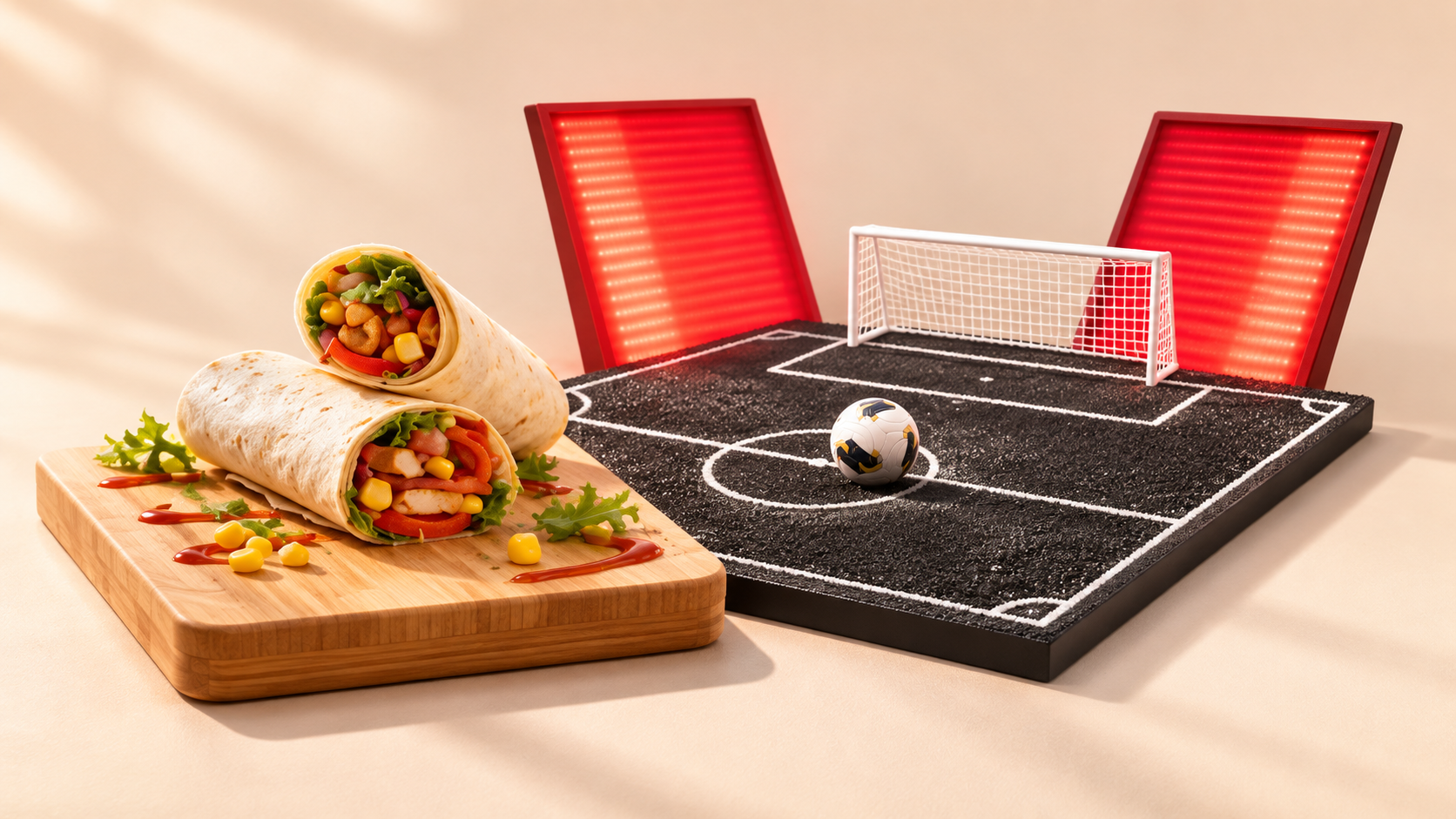
A new packet and an unfamiliar football format ask different things of an audience. Switz wants people to try an ingredient in their own cooking. Kings League MENA needs viewers to understand a competition built around short matches and creator personalities.
Switz’s 12 November announcement combines a hero film with shorter videos, influencer content and community formats. We Are Social’s GCC campaign prioritises Saudi Arabia and the UAE. Demonstrating the food gives audiences an idea they can use.
Kings League MENA’s partnership with Swavy, detailed the same day, gives creators different roles by market and audience. Explanations of the rules sit alongside streams from Riyadh’s Cool Arena. The campaign is scheduled to continue until 14 November, beyond the 30 October Final Four.
Both examples make the purpose of content concrete. A recipe offers something to try; an explanation makes a game easier to follow. Those are useful creative distinctions before questions of format and distribution arise. The reports describe methods, rather than comparable evidence of effectiveness.
New media networks bring advertising to courts and restaurant tables
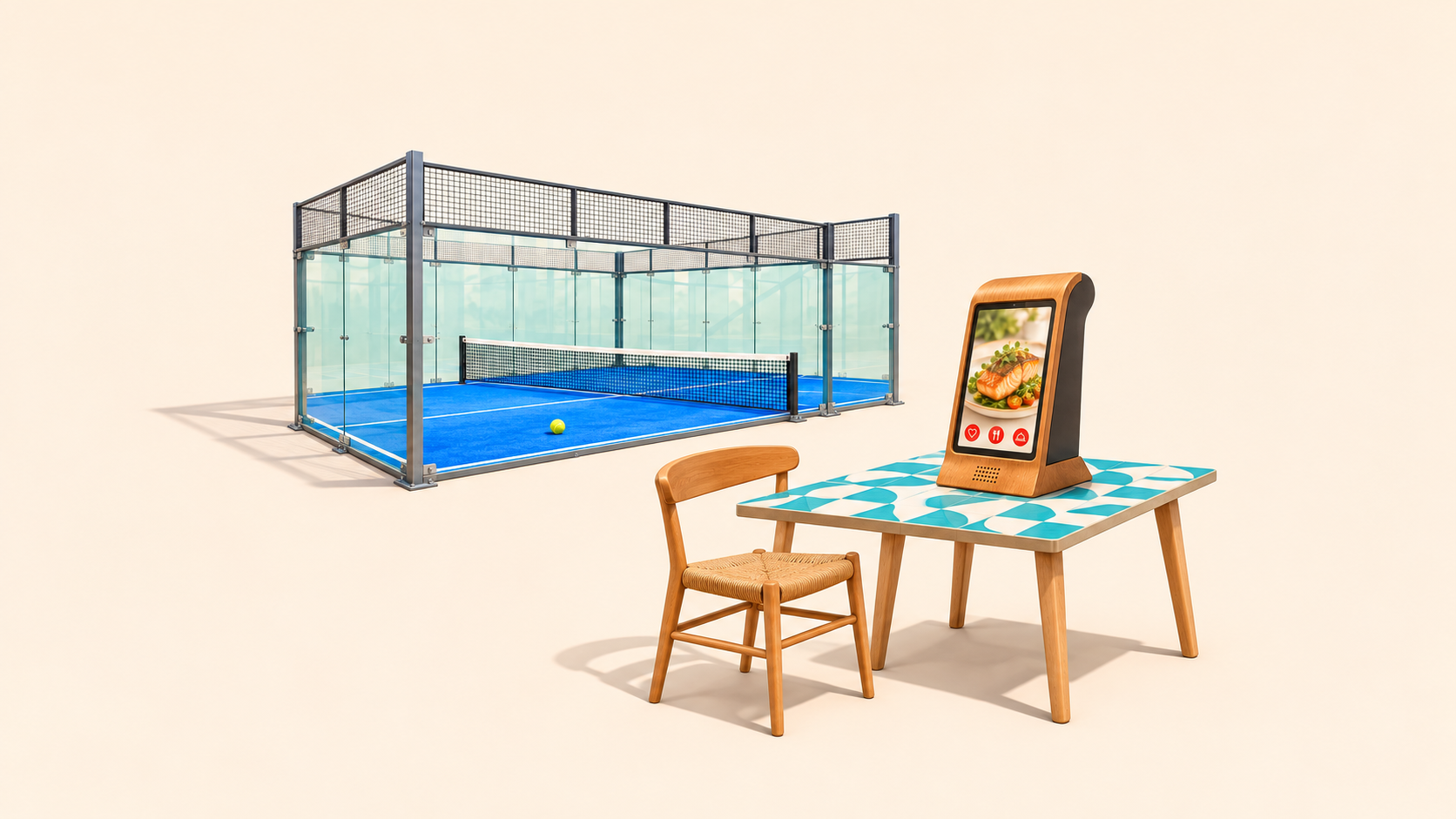
A padel court and a restaurant table give advertisers very different surroundings. Courtside’s 6 November launch and AYC’s earlier 5 November announcement describe offers around those everyday visits, with the practical details of installation and service as important as the location.
Courtside Media Network sells placements on court glass, fences and net tape. The Dubai company says it handles production, installation, upkeep and removal, with venue tiers and category exclusivity available to buyers. Its founders describe discussions covering nearly 200 courts. That figure is a partnership pipeline, rather than an inventory of installed advertising campaigns.
As dated context from 5 November, AYC Network starts with a service tool on the dining table. Its AYC Frames give guests access to menus, orders, service calls, Wi-Fi and reviews. Payments and advertising within those interactions are planned additions. The company’s reported 130 tables combine live and signed Dubai locations; its aim of around 600 active tables by mid-2027 is a target.
Both propositions depend on fitting into an activity people have already chosen. Courtside offers a visible place within a sports venue; AYC puts a screen into the restaurant’s service routine. For a media buyer, that makes the immediate question concrete: which locations and functions are live, what exactly can be booked, and what will demonstrate delivery? The launches explain where the networks want to operate. Their prospective reach should remain separate from the audiences or results an actual campaign delivers.
Selected reporting for 6–12 November 2026 · Asia/Riyadh. Earlier developments are explicitly dated context.