Events
Khobar’s winter takes shape across the Corniche and Dhahran Expo
Ithra’s waterfront production, a longer cultural programme at Dhahran Expo and Al Qadsiah’s community partnership give Al Khobar Season three different ways to bring the city together.
In Al Khobar, a waterfront opening, an Expo programme and a community partnership give the season different forms of participation. In Doha and Abu Dhabi, exhibitions make craft and visitor participation part of the experience.
Khobar’s winter takes shape across the Corniche and Dhahran Expo
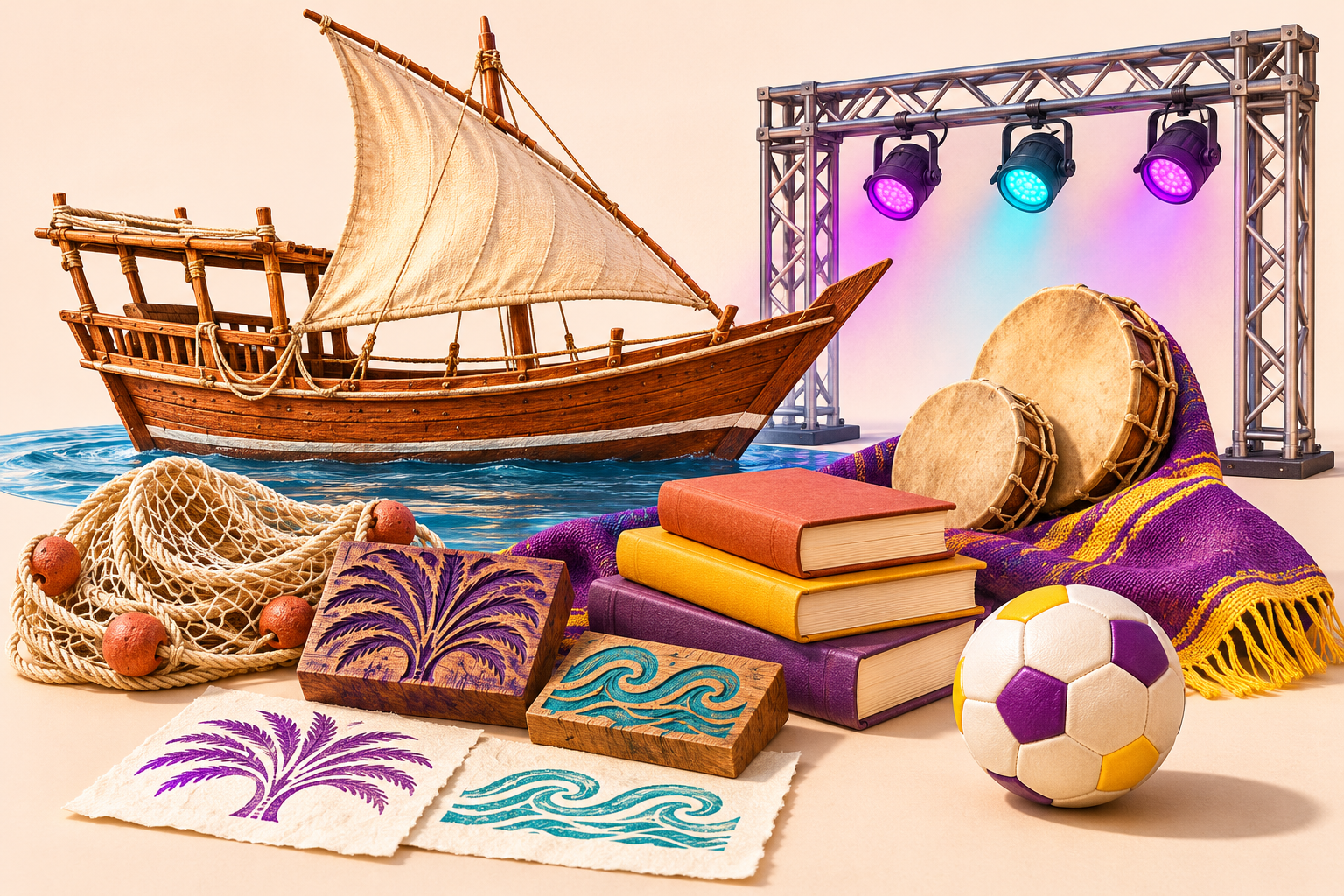
Ithra’s waterfront production, a longer cultural programme at Dhahran Expo and Al Qadsiah’s community partnership give Al Khobar Season three different ways to bring the city together.
Al Khobar’s next winter gathering has two distinct stages. At the Corniche, boats, fishermen’s theatre and music will tell a story about the city’s relationship with the sea. At Dhahran Expo, visitors will be able to move between performances, creative activities and cultural experiences over a longer run.
The announcements reported on 3 November put detail behind Ithra’s role in the season. The Corniche opening is scheduled for 13 November. The Expo programme starts on 12 November and continues until 28 November, making this the first Ithra Winter edition at that venue. These dates describe different parts of the programme, rather than competing versions of one opening.
A waterfront story, followed by room to explore
The opening’s maritime theme has a concrete form: a boat parade and fishermen’s performance alongside poetry, music and the Saudi ardah. The Expo programme works differently. A family can join reading or making activities, while other visitors explore art or attend a live performance. The Highlights exhibition, with 12 works from Ithra’s collection, gives that wider programme a distinct museum component.
A citywide season with local institutions
Al Qadsiah’s 5 November confirmation of its principal partnership adds a community strand. The club describes its role through participation by residents, families and younger audiences. That brings a local sporting institution into the same season as Ithra’s cultural programme, while leaving their individual roles clear.
The broader framework was announced on 30 October: more than 40 events, over 100 experiences and more than 10 locations, with the season continuing until 5 February 2027. Those figures provide context for this week’s developments, rather than a new launch claim.
Taken together, the programme combines a shared waterfront performance with activities that allow smaller groups to participate in different ways. That distinction gives the season editorial substance beyond its event count: the opening establishes a story about Al Khobar, while the Expo programme and community partnership create other settings in which residents and visitors can take part.
The making becomes part of the exhibition
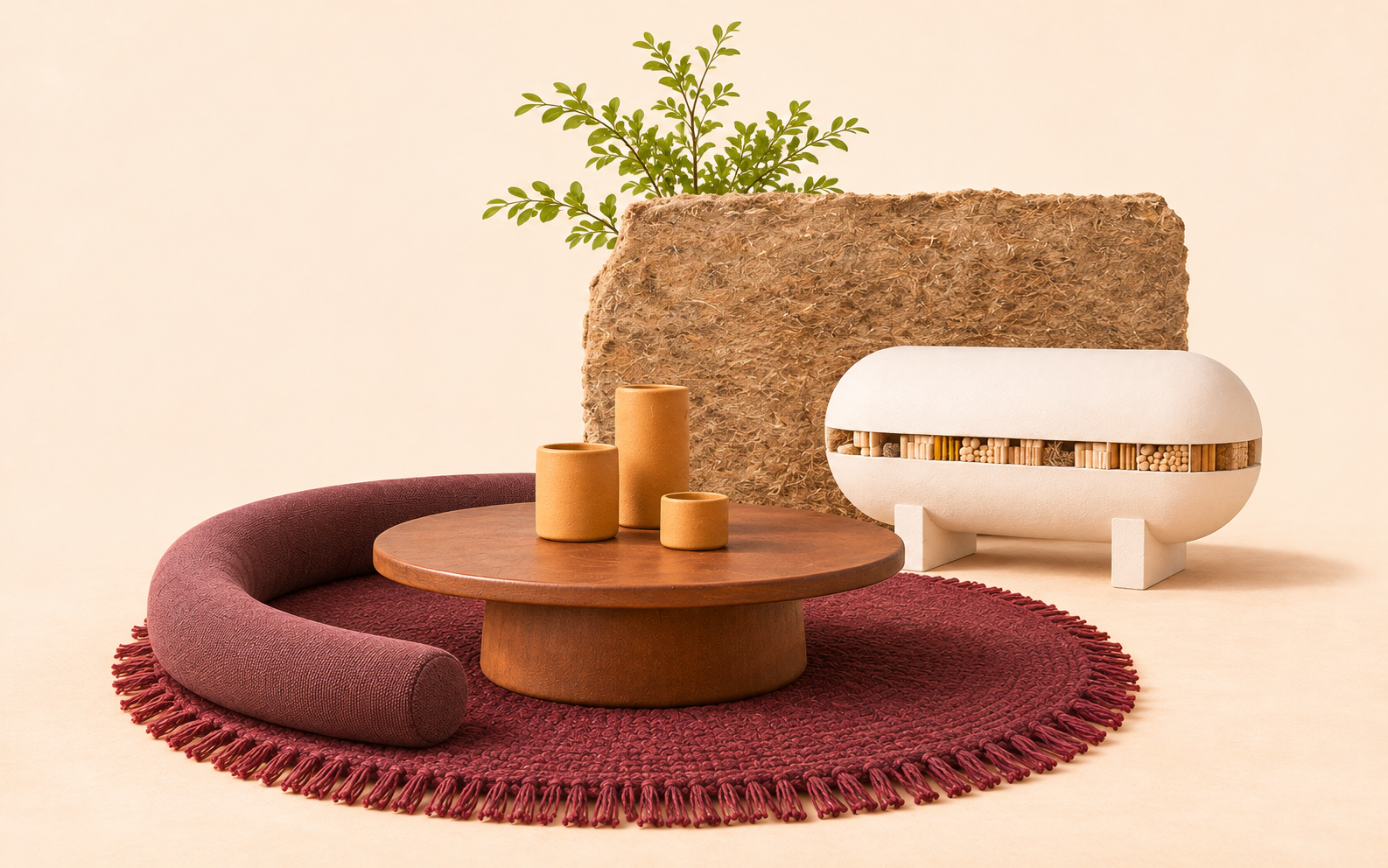
Irthi’s Design Labs II and Abu Dhabi’s Children’s Biennale put participation in different places. In Doha, craftswomen contribute to the design process before the work reaches an exhibition. In Abu Dhabi, the visitor can become part of what happens to the artwork.
Irthi’s Design Labs II presents five collections at Fereej Al Asmakh, developed by craftswomen, designers and material specialists. Traditional techniques shape furniture, installations and architectural works. The 5–7 November programme includes discussions and workshops; the display continues until 31 January 2027.
The Children’s Biennale, inaugurated at Umm Al Emarat Park on 5 November, gives participation a more immediate role. Its eight installations explore touch, sound, movement and light. Children can braid and reconnect ropes in Common thread, Common ground, while listening devices in Telephone alter how visitors hear the park. Family activities, workshops and school tours accompany the installations through 6 December. The programme is presented as part of Abu Dhabi Festival with National Gallery Singapore and the park among its partners.
The connection is how an exhibition makes room for someone else’s contribution. Irthi’s collaborators help determine what gets made; the Biennale’s visitors can change or activate the encounter. Those are different kinds of involvement, with different production needs. Both make the physical experience more specific than a general invitation to look at art, without establishing longer-term learning or audience outcomes.
Selected reporting for 3–9 November 2026 · Asia/Riyadh. Source collection checkpoint: 2026-11-09 13:42 Riyadh. Public-source coverage remains partial.